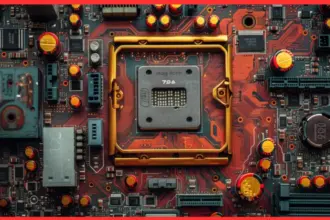
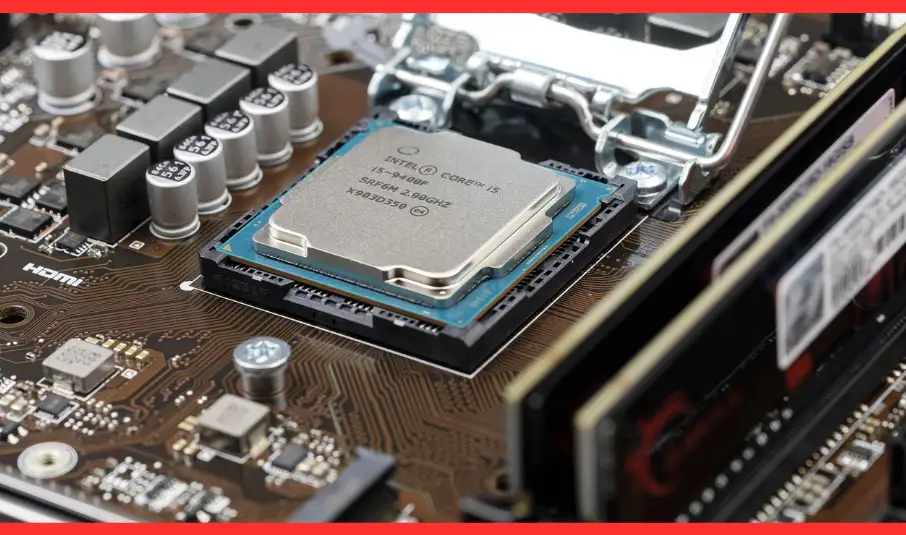
Intel’s move to discontinue its 12th-generation processors could reshape the budget PC market in the coming years. While these CPUs still offer excellent performance for gaming and everyday workloads, their phase-out may reduce affordable hardware choices for cost-conscious builders.
Let’s understand what’s happening, why Intel is doing this, and what it means for PC users and builders in 2026.
Why Intel Is Discontinuing 12th-Gen CPUs
Intel has officially started phasing out its 12th-generation processors, widely known as the Alder Lake family. These processors launched with major improvements in performance and hybrid architecture, combining performance and efficiency cores — a big shift for desktop computing at the time.
Even today, 12th-gen CPUs remain widely used and fully capable of handling:
- Modern gaming
- Content creation and video editing
- Productivity workloads
- Everyday computing tasks
However, technology moves quickly. With newer architectures delivering better power efficiency, performance gains, and platform improvements, Intel has decided that Alder Lake processors have reached the end of their product life cycle.
This isn’t unusual in the hardware industry — manufacturers regularly retire older products to focus on newer technologies.
The good news? If you still want a 12th-gen processor, existing stock will continue to be available from retailers and vendors during the transition period.
Will This Make Budget PC Building More Expensive?

The current demand from AI data centers has driven up the prices of PC components, especially RAM. This increase affects almost all modern technology, since devices ranging from PCs and laptops to smartphones and tablets rely heavily on RAM to function efficiently.
Because of rising hardware costs, many users have begun switching to older-generation components, such as Intel’s 12th-generation CPUs and DDR4 RAM. Even though these parts are based on older architectures, they can still handle tasks such as gaming, video editing, and everyday workloads very well. However, Intel’s decision to discontinue its 12th-generation processors may affect budget builders who planned to use older, more affordable hardware.
The Bigger Issue: AI Demand and Rising Component Prices
The timing of this discontinuation also overlaps with another major industry trend — the surge in demand from AI data centers.
AI infrastructure requires massive computing power and memory resources. This has significantly increased global demand for:
- RAM
- Storage
- Processing hardware
- Semiconductor manufacturing capacity
Because of this demand, PC components — especially memory — have become more expensive. The price increase affects almost every device, including:
- Desktop PCs
- Laptops
- Smartphones
- Tablets
As a result, many users have been switching to older hardware like 12th-gen Intel CPUs and DDR4 RAM to save money. Intel discontinuing these processors could limit those budget options.
Will RAM Prices Decrease Soon?
Right now, there’s no clear sign that memory prices will drop quickly.
As long as AI infrastructure expansion continues and semiconductor supply remains tight, RAM prices may stay elevated. This means budget builders could face higher costs not just for CPUs, but for entire PC builds.
That’s one reason why older-generation hardware has remained popular — it still delivers strong performance at a lower cost.
Official Discontinuation Timeline
Soon product for 12th-gen “Alder Lake” processors, including Core i3, i5, i7, i9, Pentium Gold, and Celeron models for both boxed retail units and tray (OEM) parts.
Here’s the timeline Intel has set:
- January 22, 2027: Last shipments from Intel to partners and retailers. After that, Intel won’t be producing or shipping new 12th-gen CPUs
- January 6, 2026: Discontinuation phase began.
- April 10, 2026: Last date for OEMs to request new units (tray units).
- July 24-25, 2026: Final order deadline — orders become non-cancelable and non-returnable after this point.
Should You Still Buy a 12th-Gen CPU in 2026?
Despite the discontinuation, 12th-generation processors are still a solid choice if you can find them at a good price.
They remain:
- Reliable for gaming
- Excellent for everyday computing
- Great for budget PC builds
- Compatible with affordable DDR4 memory
- More than powerful enough for most users
However, buyers should consider long-term availability, future upgrade paths, and potential price changes.
What This Means for the Future of Budget PC Building
Intel’s decision signals a broader shift in the PC hardware market. Budget builders may soon have fewer low-cost options as older hardware disappears and newer platforms dominate the market.
In the short term, existing Alder Lake stock will continue to support affordable PC builds. But in the long run, builders may need to adapt to newer — and potentially more expensive — hardware standards.
For now, if you’re planning a budget PC build, the best strategy may be to act early while inventory is still widely available.
How To Find the Discontinuance Date (End of Life) for Intel® Processors
You can visit the official guidelines provided by Intel to know about the discontinuance.
To read more about Tech News, visit Techxleap.com
FAQ: Frequently Asked Questions
Yes, Intel has officially started discontinuing its 12th-generation processors (Alder Lake family). The company has begun phasing out production, with final shipments scheduled for January 2027. After that, no new units will be manufactured, although existing stock will still be available from retailers for some time.
Yes, Intel 12th-gen processors are still excellent for gaming in 2026. They offer strong performance, support modern graphics cards, and can easily handle popular AAA games.
If you find a good deal, buying a 12th-gen CPU can still be a smart choice for budget PC builds. These processors deliver strong performance and support affordable DDR4 memory. However, buyers should consider long-term availability.
It could affect prices for budget hardware. As supply decreases and demand remains strong, retailers may raise prices for remaining stock. This may make budget PC building slightly more expensive, especially for users relying on older and affordable components.
Intel regularly retires older processor generations to focus on newer architectures with better performance, power efficiency, and platform improvements. The 12th-generation processors have reached the end of their product life cycle as newer technologies replace them.
Not necessarily. RAM prices are currently influenced by global demand, especially from AI data centers and semiconductor production limits. While prices may stabilize in the future, there is no guarantee of immediate price drops.